Nhà Cái Uy Tín Hiện Nay: Top 10 Được Kiểm Duyệt 2026
Cập nhật đến tháng 06
Tác giả: Cao Tuấn Minh – Chuyên gia review nhà cái với hơn 10 năm kinh nghiệm, đánh giá 50+ thương hiệu trên khắp thế giới
Thị trường cá cược trực tuyến ngày càng nhiều nhà cái kém chất lượng, gian lận — khiến người chơi khó phân biệt thật giả. Chúng tôi đã trực tiếp kiểm duyệt hơn 50 thương hiệu và chỉ giữ lại 10 nhà cái uy tín nhất dựa trên tiêu chí khắt khe nhất để anh em yên tâm lựa chọn.

Danh sách top nhà cái uy tín nhất hiện nay – Cập nhật đến 06
| 1 |  | W88 | 🎁 Thưởng 100% | 📜 Tobique ⚡ 5–15 phút | CƯỢC NGAY → | |
| 2 |  | M88 | 🎁 Thưởng 125% | 📜 Vanuatu ⚡ 15–30 phút | CƯỢC NGAY → | |
| 3 |  | Fun88 | 🎁 Thưởng 150% | 📜 Curacao ⚡ 10–25 phút | CƯỢC NGAY → | |
| 4 |  | BK8 | 🎁 Thưởng 288% | 📜 Anjouan ⚡ 10–20 phút | CƯỢC NGAY → | |
| 5 |  | VN88 | 🎁 Thưởng 100% | 📜 Tobique ⚡ 15–30 phút | CƯỢC NGAY → | |
| 6 |  | HappyLuke | 🎁 Thưởng 100% | 📜 Anjouan ⚡ 10–20 phút | CƯỢC NGAY → | |
| 7 |  | 12BET | 🎁 Thưởng 150% | 📜 Curacao ⚡ 10–25 phút | CƯỢC NGAY → | |
| 8 |  | FB88 | 🎁 Thưởng 100% | 📜 PAGCOR ⚡ 15–35 phút | CƯỢC NGAY → | |
| 9 |  | WE88 | 🎁 Thưởng 100% | 📜 Anjouan ⚡ 20–40 phút | CƯỢC NGAY → | |
| 10 |  | JBO | 🎁 Thưởng 100% | 📜 First Cagayan ⚡ 15–30 phút | CƯỢC NGAY → |
Thông tin nhanh về top 10 nhà cái uy tín nhất
Ngay sau đây là danh sách top 10 nhà cái uy tín nhất, cập nhật mới nhất để anh em có thể yên tâm đặt cược mà không cần phải lo lắng về vấn đề thiếu an toàn, bảo mật hay bị gian lận, lừa đảo. Chúng tôi cũng đánh giá cụ thể những ưu điểm, hạn chế của từng thương hiệu để người chơi cân nhắc lựa chọn cái tên phù hợp nhất.
W88 – Thương hiệu toàn cầu gắn liền với Ngoại hạng Anh
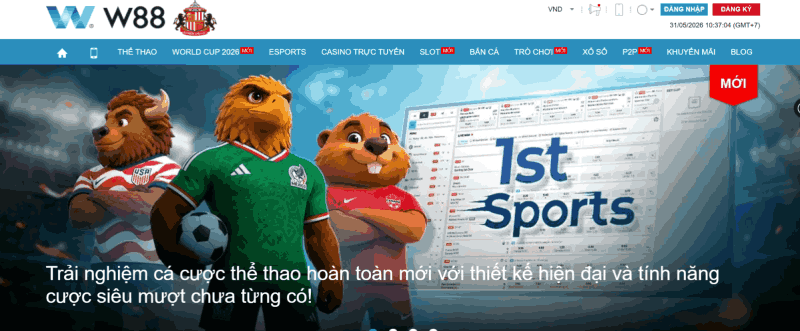
W88 là nhà cái gắn liền với giải đấu danh giá Ngoại hạng Anh khi là đối tác tài trợ của nhiều câu lạc bộ nổi tiếng như Aston Villa, Crystal Palace… Từ khi ra mắt vào năm 2013, W88 vẫn luôn được các cược thủ săn đón nhờ tính chuyên nghiệp và tiềm lực tài chính vững mạnh.
Giấy phép hoạt động: Ủy ban Trò chơi Tobique
Thưởng chào mừng: 100%, tối đa lên đến 6,150 VND
Điểm mạnh:
- Giao dịch nạp rút nhanh gọn, liên kết với nhiều ngân hàng lớn
- Bảo mật đạt chuẩn mã hóa SSL 256-bit hiện đại
- Hệ thống sản phẩm phong phú, chất lượng
Điểm cần cải thiện:
- Giao diện chưa thực sự bắt mắt
M88 – Tiên phong trong lĩnh vực casino live và slot game
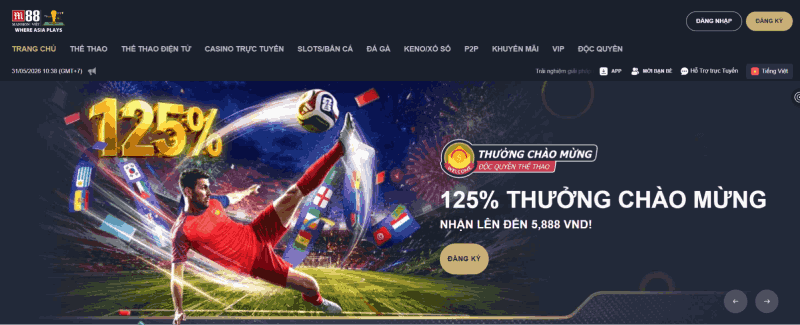
Được thành lập từ năm 2007, M88 là nhà cái số 1 châu Á, đem đến cho người chơi trải nghiệm cá cược và sòng bài trực tuyến chất lượng với nhiều tùy chọn đa dạng và tỷ lệ kèo cạnh tranh.
Giấy phép hoạt động: Cộng hòa Vanuatu
Thưởng chào mừng: 125%, tối đa 5,888 VND
Điểm mạnh:
- Cá cược thể thao và casino live là thế mạnh với nhiều sảnh chơi độc quyền, đa dạng về thể loại
- Slot game hấp dẫn với tỷ lệ hoàn trả cạnh tranh
- Giao diện hiện đại, điều hướng dễ dàng
Điểm cần cải thiện:
- Các khuyến mãi chưa thực sự đa dạng, thiếu sáng tạo
Fun88 – Dẫn đầu thị trường cá cược bóng đá châu Á
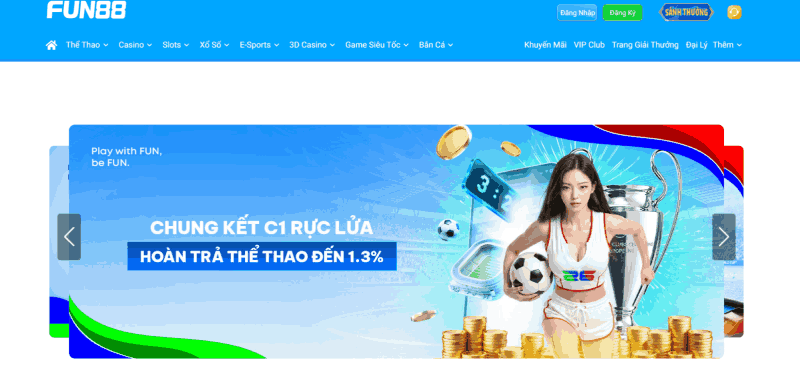
Được thành lập từ năm 2008, Fun88 luôn giữ vững vị thế nhà cái cá cược bóng đá top 1 châu Á với tỷ lệ kèo dẫn đầu thị trường. Bên cạnh đó còn có sảnh chơi casino trực tuyến cực chất với vô vàn trò chơi hấp dẫn.
Giấy phép hoạt động: Curacao Gaming
Thưởng chào mừng: Tối đa 150% tại Thể thao
Điểm mạnh:
- Nhiều sảnh cược riêng biệt đem đến trải nghiệm đa dạng, mới mẻ
- Bảng tỷ lệ kèo được cập nhật thường xuyên theo thời gian thực
- Độ bảo mật cao, dịch vụ chăm sóc khách hàng chuyên nghiệp
Điểm cần lưu ý:
- Mảng bắn cá và xổ số chưa thực sự đa dạng
BK8 – Nhà cái cung cấp kèo thể thao số 1 châu Á
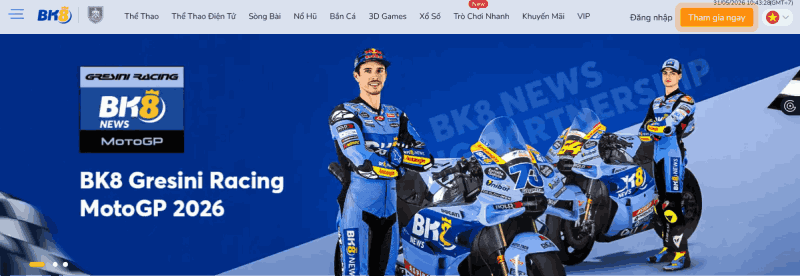
Chính thức tham gia vào ngành công nghiệp cá cược trực tuyến từ năm 2018, BK8 là nhà cái phát triển mạnh mẽ tại thị trường châu Á. BK8 đặc biệt phù hợp với những ai là tín đồ của cá cược bóng đá, esports và thanh toán bằng tiền điện tử.
Giấy phép hoạt động: Chính phủ Đảo Tự trị Anjouan
Thưởng chào mừng: Đang cao kỷ lục – 288% cho Slot game
Điểm mạnh:
- Kèo bóng đá và esports cạnh tranh
- Phương thức giao dịch đa dạng, tiên phong trong giao dịch bằng crypto
- Tương thích tốt với cả PC và di động
Điểm cần lưu ý:
- Live chat có thể chậm phản hồi khi có các trận đấu quan trọng
VN88 – Nhà cái chuyên sâu thị trường Việt Nam
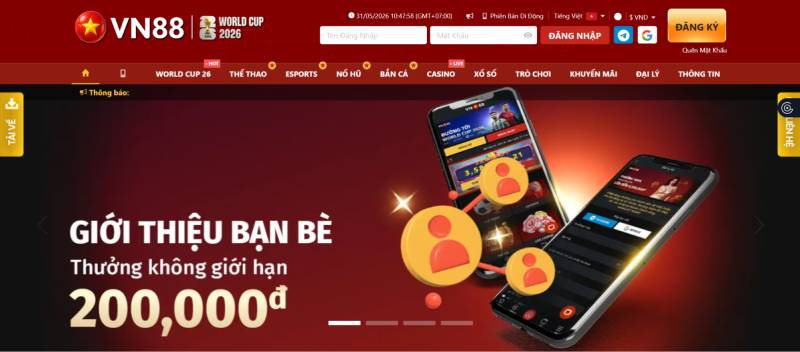
VN88 là nhà cái có hơn 10 năm kinh nghiệm hoạt động tại thị trường Việt Nam với những sản phẩm được đầu tư chú trọng để đáp ứng nhu cầu và sở thích của game thủ Việt. Các sảnh chơi được tối ưu hoá để đem đến một không gian giải trí thuần Việt mang đậm dấu ấn riêng.
Giấy phép hoạt động: Ủy ban Trò chơi Tobique
Thưởng chào mừng: Thưởng 1000% đến 6.150K cho lần nạp đầu
Điểm mạnh:
- Hạn mức nạp tiền và hạn mức cược đa dạng, cực thấp chỉ từ 50 VND
- Kèo cược xanh chín, 1 ăn 99 là bình thường
- Kết nối nhiều ngân hàng lớn, đảm bảo nạp tiền nhanh, an toàn
Điểm cần lưu ý:
- Các trò chơi quốc tế chưa nhiều
HappyLuke – Thiên đường của nổ hũ và game bài châu Á
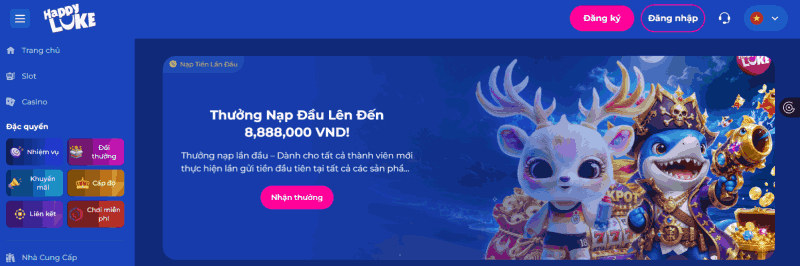
HappyLuke là thương hiệu nhà cái đã có nhiều năm kinh nghiệm hoạt động tại thị trường châu Á. Đặc biệt, với thế mạnh là các trò chơi nổ hũ và các trò chơi bài truyền thống, VN88 rất phù hợp với người chơi Việt Nam.
Giấy phép hoạt động: Chính quyền Đảo tự trị Anjouan
Thưởng chào mừng: 100% thưởng nạp lần đầu lên đến 8,888 VND
Điểm mạnh:
- Nhà cái trẻ năng động, phong cách hiện đại
- Hỗ trợ đa ngôn ngữ, trong đó có tiếng Việt
- Nhiều khuyến mãi độc lạ, mới mẻ, nhiều cấp độ VIP
Điểm cần lưu ý:
- Nhiều mảng sản phẩm còn sơ sài, chưa thực sự chuyên nghiệp
12BET – Nhà cái kỳ cựu, dày dặn kinh nghiệm
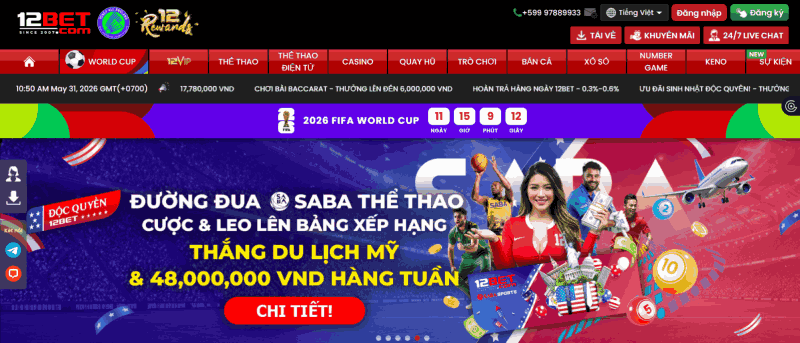
Với 15 năm kinh nghiệm tại thị trường châu Á, 12BET là một trong những nhà cái uy tín và được yêu thích hàng đầu tại thị trường này. Đặc biệt, tỷ lệ kèo cạnh tranh là điểm cộng giúp 12BET luôn duy trì được lượng khách hàng ổn định trong suốt thời gian dài.
Giấy phép hoạt động: Curacao Gaming
Thưởng chào mừng: Thưởng 150% cho lần nạp đầu tiên
Điểm mạnh:
- Mỗi mảng sản phẩm đều có nhiều sảnh cược khác nhau của từng nhà cung cấp
- Các khuyến mãi đa dạng, được thiết kế cho từng mảng sản phẩm
- Vận hành ổn định, rất ít khi không truy cập được hoặc bị lỗi
Điểm cần lưu ý:
- Điều kiện cược lại của một số khuyến mãi khá cao
FB88 – Trải nghiệm tối ưu hoá cho di động
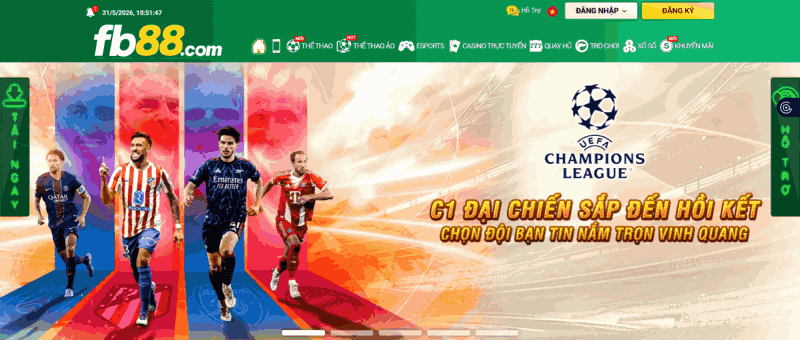
FB88 là lựa chọn hoàn hảo cho những cược thủ hiện đại, năng động, yêu thích sự tiện lợi. Nền tảng được thiết kế để tự động tương thích với máy tính và di động, đem đến trải nghiệm mượt mà cho người chơi mọi lúc mọi nơi.
Giấy phép hoạt động: PAGCOR
Thưởng chào mừng: Tặng 100% giá trị cho lần nạp đầu tiên
Điểm mạnh:
- Mỗi mảng sản phẩm đều có nhiều sảnh chơi đa dạng, riêng biệt
- Đối tác cung cấp game uy tín
- Chính sách VIP đặc quyền cho nhiều cấp bậc
Điểm cần lưu ý:
- Các khuyến mãi không quá đa dạng
WE88 – Quy tụ những trò chơi xổ số và bắn cá đỉnh cấp nhất
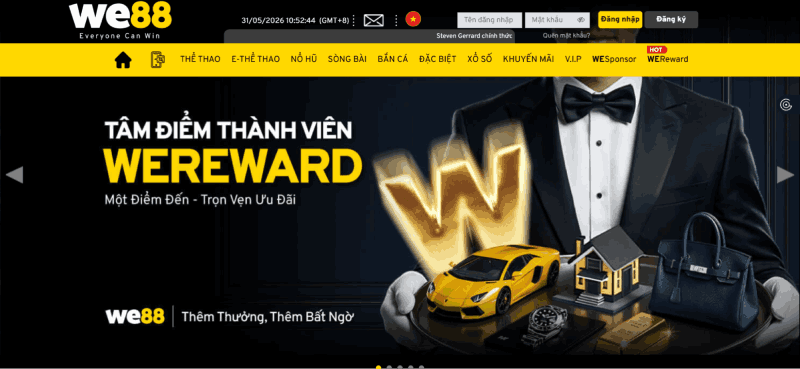
Những ai là tín đồ của game xổ số và bắn cá chắc chắn sẽ rất hài lòng với WE88. Đây là nơi quy tụ những tựa game nổi bật nhất, chất lượng nhất của thể loại này.
Giấy phép hoạt động: Chính quyền Đảo tự trị Anjouan
Thưởng chào mừng: Thưởng 100%, tối đa lên đến 2,000 VND
Điểm mạnh:
- An toàn tuyệt đối, tốc độ tải ổn định
- Giao diện hiện đại, các mảng sản phẩm được bố trí khoa học, dễ tìm
- Hỗ trợ khách hàng 24/7, trả thưởng cực nhanh
Điểm cần lưu ý:
- Vẫn còn tình trạng link vào bị chặn
JBO – Hệ thống kèo thể thao đa dạng bậc nhất
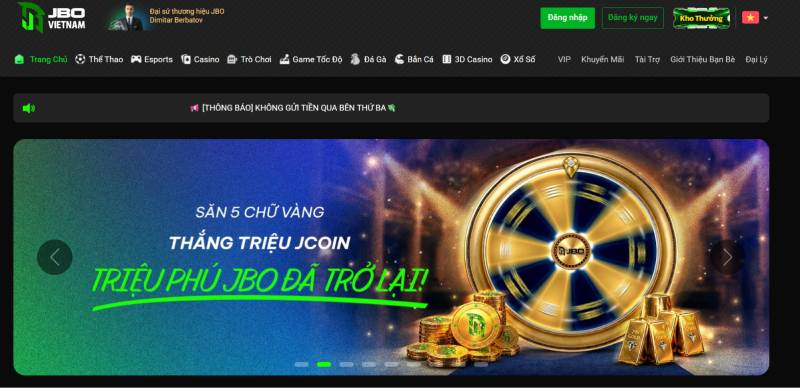
JBO là nhà cái chú trọng vào mảng cá cược thể thao và esports với hệ thống kèo cược phong phú dành cho nhiều bộ môn khác nhau. Dù bạn yêu thích bóng đá, bóng chuyền hay tennis, esports, đấu vật thì JBO vẫn luôn có sản phẩm cá cược phù hợp dành cho bạn.
Giấy phép hoạt động: First Cagayan Leisure and Resort Corporation
Thưởng chào mừng: Thưởng 100%, tối đa 5.000 VND
Điểm mạnh:
- Bên cạnh cá cược thể thao còn có rất nhiều loại hình giải trí hấp dẫn khác
- Tính năng phát sóng trực tiếp các trận đấu được tích hợp ngay trên nền tảng
- Các sảnh cược trực tiếp được dẫn dắt bởi đội ngũ dealer chuyên nghiệp
Điểm cần lưu ý:
- Quy trình nạp rút lần đầu hơi lo do phải xác minh tài khoản chặt chẽ
Chúng tôi đánh giá nhà cái uy tín bằng cách nào?
Để đưa ra được danh sách top nhà cái uy tín 2026, các chuyên gia của chúng tôi đã dành thời gian hàng năm trời trực tiếp nghiên cứu, sử dụng các sản phẩm, dịch vụ tại hơn 50 nhà cái khác nhau. Cuối cùng, chọn ra những cái tên chất lượng nhất dựa trên những tiêu chí cốt lõi sau đây.
Giấy phép hoạt động
Trước hết, đó phải là nhà cái hợp pháp được cấp phép bởi các tổ chức có thẩm quyền. Ví dụ như Curacao eGaming được biết đến khá rộng rãi nhờ thủ tục đăng ký đơn giản, MGA và Isle of Man yêu cầu kiểm soát tài chính nghiêm ngặt, hay PAGCOR với thế mạnh là lĩnh vực sòng bài trực tiếp.
Bề dày kinh nghiệm
Những nhà cái được chúng tôi tiến cử đều có bề dày kinh nghiệm ít nhất 3 năm hoạt động trong lĩnh vực cá cược và sòng bài trực tuyến. Những nhà cái nào còn quá non trẻ, chưa có đủ thời gian thử thách thì sẽ bị loại ra khỏi danh sách.
Xử lý giao dịch nhanh, an toàn
Tiếp theo, chúng tôi kiểm tra quy trình xử lý nạp, rút của từng nhà cái. Chúng tôi sẽ thực hiện thao tác thật và đánh giá chất lượng xử lý giao dịch của từng nhà cái theo thực tế. Những nhà cái chúng tôi lựa chọn đều xử lý giao dịch hiệu quả, nhanh chóng, trong vòng tối đa không quá 30 phút.
Tỷ lệ trả thưởng và tỷ lệ kèo hấp dẫn
Nhà cái an toàn cần đem đến cho người chơi tỷ lệ kèo hấp dẫn cùng những trò chơi có RTP cao để đảm bảo lợi ích lâu dài. Các trò chơi slot thì cần đảm bảo tính minh bạch, được kiểm định bởi các đơn vị uy tín, độc lập như iTech Labs.
Hỗ trợ 24/7 bằng nhiều ngôn ngữ
Chúng tôi cũng thử liên hệ vào khung giờ bất kỳ để xem nhà cái có phản hồi kịp thời và hướng dẫn, hỗ trợ hiệu quả hay không. Ngoài ra, hỗ trợ bằng tiếng Việt cũng là một điểm cộng.
Đánh giá của cộng đồng người chơi
Chúng tôi tham gia các diễn đàn, hội nhóm về cá cược để lắng nghe ý kiến phản hồi của cộng đồng người chơi về các nhà cái. Những nhà cái nhận được nhiều phản hồi tích cực nhưng không quá lố mang tính seeding sẽ được chúng tôi cân nhắc xem xét.
Nhà cái uy tín cho mùa World Cup 2026
World Cup 2026 đang đến gần, hứa hẹn không chỉ là những bữa tiệc bóng đá cho người theo dõi mà còn là cơ hội quý báu cho các cược thủ. Vì thế mà các nhà cái đang đua nhau tung ra những ưu đãi và những thị trường cược hấp dẫn nhất trong năm.
Sau khi khảo sát, chúng tôi đã lựa chọn 4 nhà cái là địa chỉ uy tín nhất cho các kèo World Cup 2026, bao gồm BK8, W88, Fun88 và 12BET. Bên cạnh những kèo cược chất lượng, tỷ lệ cược ổn định cùng tính năng cược live hấp dẫn, đây còn là những nhà cái tặng tiền World Cup hào phóng nhất. Người chơi có thể nhận thưởng hàng tuần hoặc thậm chí là hàng ngày để gia tăng nguồn vốn.
Câu hỏi thường gặp về nhà cái uy tín
Nhà cái uy tín hiện nay là gì và làm sao nhận biết?
Nhà cái uy tín hiện nay là những nhà cái được cấp phép hoạt động hợp pháp, có kinh nghiệm hoạt động trong nhiều năm, xử lý các giao dịch nhanh chóng và đặc biệt là được cộng đồng người chơi đánh giá cao.
Nhà cái nào uy tín nhất tại Việt Nam 2026?
Hiện nay, được đánh giá cao nhất tại Việt Nam là BK8, W88 và M88.
Chơi nhà cái trực tuyến có an toàn không?
Có, nếu bạn lựa chọn được nhà cái hợp pháp được cấp phép bởi các tổ chức uy tín như PAGCOR, Curacao hay Isle of Man.
Nhà cái uy tín rút tiền mất bao lâu?
Mỗi nhà cái, mỗi phương thức sẽ có một thời gian xử lý giao dịch rút tiền khác nhaiu. Thông thường sẽ không kéo dài quá 30 phút.
Làm sao tránh nhà cái lừa đảo?
Để tránh nhà cái lừa đảo, người chơi không truy cập vào những nhà cái mới, hoạt động chưa lâu, không thể hiện giấy phép rõ ràng hoặc những nhà cái chào mời bằng những ưu đãi quá hấp dẫn.